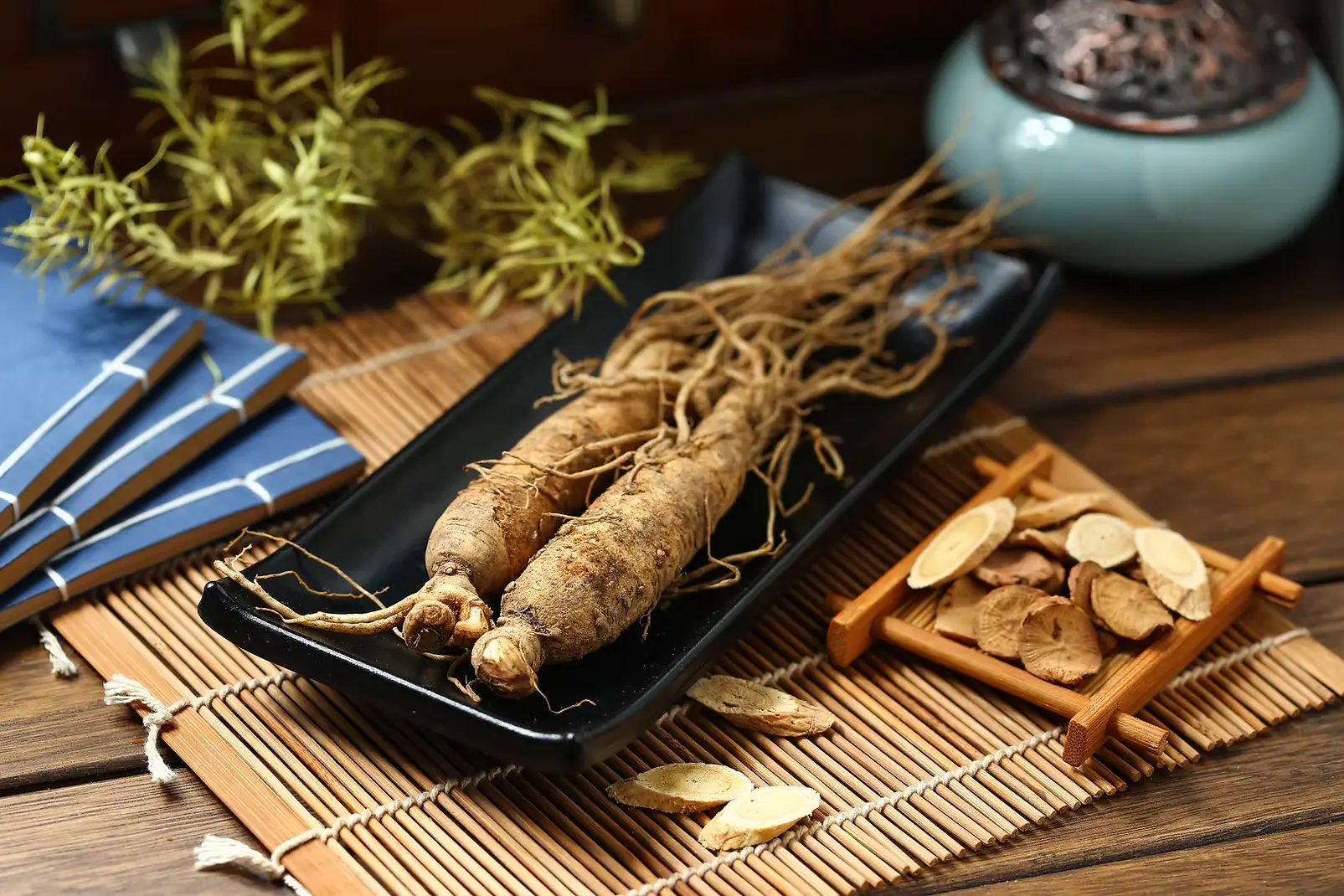
Among all botanical food supplements, Korean Red Ginseng has earned a unique reputation. Derived from Panax ginseng, it has been cultivated and appreciated in Korea for centuries and remains one of the most extensively researched medicinal plants in the world. Today, authentic Korean Red Ginseng continues to attract growing interest from consumers seeking premium botanical food supplements produced according to the highest quality standards.
Modern research has significantly expanded our understanding of this remarkable plant. While Korean Red Ginseng has a long history of traditional use, advances in food biotechnology, analytical chemistry and plant science have revealed just how complex its natural composition truly is. Panax ginseng, koja se u Koreji uzgaja i koristi stoljećima te se smatra jednom od najistraživanijih ljekovitih biljaka na svijetu. Danas autentični korejski crveni ginseng privlači sve veći interes potrošača koji traže vrhunske biljne dodatke prehrani proizvedene prema najvišim standardima kvalitete.
Suvremena istraživanja značajno su proširila naše razumijevanje ove iznimne biljke. Iako korejski crveni ginseng ima dugu tradiciju primjene, napredak u području prehrambene biotehnologije, analitičke kemije i znanosti o biljkama otkrio je koliko je njegov prirodni kemijski sastav zapravo složen.
What Is Korean Red Ginseng?
Not every product labelled as "ginseng" comes from the same botanical species. Authentic Korean ginseng is obtained exclusively from Panax ginseng, a species native to the Korean Peninsula and widely regarded as the traditional source of premium ginseng.
Producing high-quality Korean ginseng requires exceptional patience. Unlike many other crops, the roots are typically cultivated for around six years before harvest. During this period, the plant gradually develops its characteristic profile of naturally occurring bioactive compounds, making cultivation time one of the most important factors influencing final product quality.
Following harvest, the roots undergo different processing methods depending on the desired product. Fresh ginseng may be consumed immediately, while white ginseng is produced by carefully drying the roots. Korean Red Ginseng, however, is steamed before drying. It is a traditional process that naturally changes both its appearance and chemical composition.
The Science Behind Korean Red Ginseng
One of the defining characteristics of Panax ginseng is its content of naturally occurring compounds known as ginsenosides. These triterpene saponins are considered the signature phytochemicals of Korean ginseng and have become the focus of extensive scientific investigation.
Researchers have identified dozens of different ginsenosides, with their concentration depending on numerous factors, including cultivation conditions, soil quality, plant age, harvest timing and processing techniques.
The steaming process used to produce Korean Red Ginseng induces natural chemical transformations within the root, modifying the profile of these compounds. As a result, red ginseng differs chemically from both fresh and white ginseng, making it a unique botanical ingredient rather than simply another form of the same plant.
Fermented Korean Red Ginseng: Where Tradition Meets Food Biotechnology
One of the most exciting developments in recent years has been the application of fermentation technology to Korean ginseng.
Fermentation has long been recognised as one of the oldest and most valuable biotechnological processes in food production. Beyond food preservation, microorganisms and their enzymes naturally transform complex molecules into different forms, creating products such as yoghurt, kimchi, kefir and sourdough bread.
When applied to Korean Red Ginseng, carefully selected fermentation processes modify the composition of naturally occurring ginsenosides through enzymatic activity. This area continues to be actively explored by food scientists and biotechnology researchers seeking to better understand the characteristics of fermented botanical ingredients.
Among the companies leading innovation in this field is GINLAC, which has invested extensively in fermentation technologies and holds several patents related to Korean ginseng processing. By combining traditional Korean expertise with modern biotechnology, GINLAC has developed premium fermented Korean ginseng products manufactured according to rigorous quality standards.
Why Quality Matters?
The quality of a botanical food supplement begins with the raw material.
The chemical composition of Korean ginseng is influenced by numerous factors, including cultivation practices, environmental conditions, harvesting time and manufacturing processes. This makes careful sourcing and quality control essential for ensuring consistency from one batch to another.
To help preserve the authenticity of Korean ginseng, the Korean Ministry of Agriculture introduced an official quality certification system. Only manufacturers that meet demanding production and quality requirements are authorised to use this certification, helping consumers distinguish genuine Korean ginseng from products of uncertain origin.
Choosing authentic Korean Red Ginseng produced in South Korea provides greater confidence in product quality, traceability and manufacturing standards.
Korean Red Ginseng and Modern Research
Today, Panax ginseng remains one of the most scientifically investigated botanical ingredients available.
Researchers continue to study its chemical composition, processing methods and naturally occurring phytochemicals using increasingly sophisticated analytical techniques. Interest has grown particularly in understanding how cultivation methods and technological processes, such as steaming and fermentation, affect the composition of ginsenosides.
Although scientific knowledge continues to evolve, it is important to distinguish between traditional use, laboratory research and clinical evidence. Food supplements should always be viewed as part of a varied, balanced diet and healthy lifestyle, rather than as a substitute for medical treatment.
Why Choose GINLAC Korean Red Ginseng?
Selecting a premium Korean ginseng supplement involves more than choosing a recognised name. The botanical species, country of origin, production standards and manufacturer expertise all contribute to the quality of the final product.
GINLAC has built its reputation by combining traditional Korean knowledge with continuous scientific innovation. Manufactured in South Korea using authentic Panax ginseng , GINLAC products are developed with a strong emphasis on quality, traceability and advanced fermentation technology.
This commitment to excellence makes GINLAC an excellent choice for consumers seeking authentic Korean Red Ginseng from a trusted manufacturer.
How to Choose a High-Quality Korean Ginseng Supplement
When purchasing Korean Red Ginseng, it is worth considering a few key factors:
- Choose products made from Panax ginseng,
- Look for products manufactured in South Korea,
- Select trusted manufacturers with established quality control systems.
- Check that ingredients and product information are clearly declared.
- Purchase from reputable retailers that provide transparent information about their products.
Authentic Korean Red Ginseng represents centuries of cultivation expertise combined with modern food biotechnology. From careful cultivation and traditional steaming to innovative fermentation technologies, every stage of production contributes to the quality of the final product.